

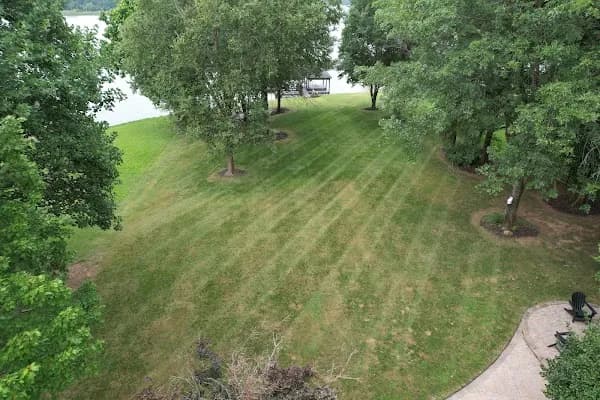
Fall has a way of changing how a property looks and feels. The days become shorter, temperatures begin to cool, and trees start dropping leaves across lawns, driveways, flower beds, and walkways.
For Chattanooga homeowners, this seasonal change is a good reminder to take a closer look at outdoor spaces before winter arrives.
A few leaves on the lawn may not seem like a big deal. But as they accumulate, along with fallen branches, overgrown vegetation, and other yard debris, they can make a property harder to maintain. Landscape beds may need attention, walkways can become slippery, and areas that were easy to care for during summer may need a different routine.
A well-planned fall yard cleanup helps bring these areas back into order. It also gives homeowners an opportunity to identify maintenance needs before colder weather makes outdoor work less convenient.
In this guide, we cover 10 practical fall cleanup tasks for Chattanooga properties, explain how to approach leaves and lawn debris, and share when professional yard cleanup may be worth considering.
Why Fall Yard Cleanup Matters for Chattanooga Homeowners
Fall cleanup is about more than making a yard look neat. It is an opportunity to prepare the property for the next season.
Leaves, branches, and other organic debris naturally collect around a home. If they are left to build up, they can cover grass, hide landscape borders, block parts of outdoor drainage areas, and make regular property maintenance more difficult.
A seasonal cleanup can help homeowners:
- Keep lawns and outdoor areas more manageable.
- Remove accumulated leaves and loose debris.
- Improve the appearance of landscape beds and borders.
- Keep walkways and entrances clear.
- Identify drainage concerns and areas that need attention.
- Prepare outdoor spaces for colder weather.
- Make spring cleanup easier by addressing manageable tasks in fall.
The exact work required depends on the property's size, the number of trees, the type of landscaping, and how the outdoor space is used.
A home surrounded by mature trees may need repeated leaf removal, while a smaller property with limited landscaping may require only a few targeted tasks.
The goal is not to complete every possible landscaping project before winter. It is to take care of the tasks that make the property cleaner, safer to use, and easier to maintain.
10 Essential Fall Yard Cleanup Tasks Before Winter
Every property has different needs, but the following checklist covers the areas homeowners should review as the seasons change.
1. Remove Excess Leaves From the Lawn
Fallen leaves are one of the most noticeable signs of fall.
A light layer of leaves may be manageable, but thick, wet piles can cover grass and reduce the amount of sunlight reaching the lawn. They can also make it difficult to see the condition of the turf underneath.
Walk around your property and check:
- Areas beneath large trees.
- Corners where wind tends to collect leaves.
- Lawn sections near fences and landscape borders.
- Spaces between shrubs and garden beds.
- Areas around patios and outdoor seating.
Depending on the amount of leaf coverage, homeowners may choose to rake, collect, or mulch leaves.
Mulching can be suitable when leaves are dry, the layer is light, and the mower can chop them into small pieces that settle into the turf. If leaves are too thick or wet, collecting and removing them may be the better option.
The important consideration is the amount of material left covering the grass.
2. Clear Fallen Branches and Yard Debris
Leaves are not the only material that collects in a yard during fall.
Small branches, twigs, pinecones, and other debris can accumulate after windy weather or seasonal changes.
Removing loose debris helps keep the property organized and makes mowing and other maintenance tasks easier.
Check the areas around:
- Trees and shrubs.
- Fences and property edges.
- Driveways and walkways.
- Outdoor seating areas.
- Garden beds and landscape borders.
Larger fallen branches may require appropriate tools or professional assistance. Avoid attempting to remove branches that are unstable, tangled in power lines, or otherwise unsafe to handle.
For general outdoor waste and accumulated items that need to be cleared from a property, explore Heckman Mow & Go's junk removal services.
3. Clean Up Overgrown Grass and Unwanted Vegetation
As summer growth slows, some areas of the property may still have overgrown grass, weeds, or unwanted vegetation.
Pay attention to lawn edges, fence lines, areas around sheds, and spaces that are easy to overlook during regular mowing.
A cleanup can include removing loose vegetation, trimming appropriate areas, and restoring a more orderly appearance around the property.
However, not every plant should be cut back simply because the weather is getting cooler. Some ornamental plants and shrubs have specific pruning requirements, and cutting them at the wrong time can affect their health or future flowering.
Before trimming unfamiliar plants, identify the species and check its recommended maintenance schedule.
4. Refresh Landscape Beds and Borders
Landscape beds can collect leaves, weeds, small branches, and other debris throughout the year.
Fall is a practical time to review these areas and remove material that makes them look untidy.
Start by clearing loose debris and removing weeds where appropriate. Then inspect the edges of the beds to see whether they need to be redefined or repaired.
You may also want to review the condition of existing mulch.
A fresh layer of mulch can help create a cleaner appearance and provide a protective covering for suitable landscape beds. However, adding too much mulch or piling it against tree trunks and plant stems can create problems.
The objective is to maintain an appropriate layer, not to cover everything with additional material.
For larger landscape improvements, planting changes, or refreshed outdoor layouts, take a look at Heckman Mow & Go's landscaping services.
5. Review Shrubs and Small Trees
Shrubs and small trees can make a property look well maintained, but they may need seasonal attention.
During fall cleanup, look for:
- Broken or damaged branches.
- Dead plant material.
- Branches interfering with walkways.
- Shrubs that have grown into outdoor access areas.
- Plants obstructing views around entrances.
Not every shrub should receive a heavy trim in fall. Pruning needs vary by plant species, flowering cycle, and growth habit.
For that reason, focus on clearing debris and addressing obvious maintenance needs. Leave significant pruning decisions until you have checked the appropriate care recommendations for each plant.
6. Check Walkways, Driveways, and Outdoor Entrances
Walkways, driveways, steps, and entrances are some of the most frequently used areas of a property.
Leaves, dirt, twigs, and other debris can collect along edges and in corners. When wet, some of this material can make walking surfaces slippery.
Clear these areas and check for:
- Accumulated leaves.
- Mud and loose soil.
- Small branches and debris.
- Overgrown grass along edges.
- Items blocking access routes.
Pay particular attention to steps and frequently used entrances. A clean, unobstructed route makes the property easier to use as the weather changes.
7. Review Your Lawn Mowing Needs
Many homeowners assume lawn mowing should stop as soon as fall begins. In reality, mowing needs change according to grass type, temperature, and growth rate.
Cool-season grasses such as tall fescue can continue growing during cooler weather. Warm-season grasses such as Bermuda and Zoysia gradually slow down as temperatures decline and eventually enter dormancy.
Rather than following a fixed calendar, observe how quickly the grass is growing.
Continue mowing when needed, keeping the grass at an appropriate height for its variety. Avoid removing too much grass in a single cut. A useful general guideline is to avoid removing more than one-third of the grass blade at one time.
If the lawn has become overgrown, several gradual cuts may be preferable to cutting it extremely short in one visit.
For regular grass cutting and seasonal upkeep, visit Heckman Mow & Go's lawn mowing service page.
8. Inspect Drainage Areas and Clear Visible Debris
Fall leaves can collect around drainage openings, low areas, and other parts of a property where water naturally moves.
Take a walk around the yard after rainfall and observe how water travels.
Look for visible debris around:
- Drainage grates.
- Downspout discharge areas.
- Yard channels.
- Low spots in the landscape.
- Areas where leaves repeatedly collect.
Removing loose debris from accessible areas can help keep them clear.
However, recurring standing water or water flowing toward the home may indicate a drainage or grading issue that ordinary yard cleanup will not resolve. These situations may require a more detailed property assessment.
Do not enter underground drainage systems or attempt repairs beyond your experience.
9. Organize Outdoor Items Before Colder Weather
Fall is also a good time to review the items stored around your property.
Unused pots, damaged outdoor furniture, broken garden equipment, empty containers, and leftover project materials can make a yard look cluttered.
Sort items into three groups:
- Items you plan to keep and store.
- Items that can be donated or reused.
- Items that need to be discarded.
Clearing these items can free up space and make outdoor areas easier to maintain.
If your cleanup involves bulky unwanted items, old furniture, or accumulated household and yard-related debris, junk removal services may be useful.
For projects that produce more waste than a regular cleanup, homeowners can also review dumpster rental options.
10. Make a Short List of Property Maintenance Needs
Once the visible cleanup is complete, take a final walk around your property.
This is a good time to note anything that may need attention later.
For example:
- A section of lawn that remains thin.
- Landscape borders that need refreshing.
- Areas where leaves collect repeatedly.
- Overgrown spaces that need regular maintenance.
- Outdoor structures or fences that need attention.
- Drainage areas that continue to hold water.
You do not need to complete every improvement immediately. A simple list can help you plan seasonal work and avoid overlooking small maintenance needs.
If your property requires ongoing attention beyond occasional yard cleanup, explore Heckman Mow & Go's property maintenance services.
What Should You Do With Leaves and Yard Waste?
One of the biggest questions during fall cleanup is how to manage the amount of material collected.
The best option depends on the type and quantity of debris, local disposal requirements, and whether the material can be reused.
Mulching Leaves
If leaves are dry and not too thick, they may be chopped into smaller pieces with a suitable mower.
Small leaf pieces can settle into the lawn and break down over time. However, a heavy layer should not be left covering the grass.
Collecting and Removing Leaves
When there are too many leaves to mulch effectively, collecting them may be more practical.
Bagging or otherwise containing leaves makes it easier to transport them for disposal or use an approved local yard-waste collection option.
Check local disposal guidance before placing yard waste out for collection.
Composting Suitable Yard Waste
Some leaves and plant material can be composted when managed appropriately.
A compost pile needs a suitable balance of materials and enough air and moisture to break down. Avoid adding diseased plant material or anything that local guidance recommends keeping out of compost.
Handling Larger Cleanup Projects
A more extensive cleanup may generate branches, bulky debris, old outdoor items, and other waste that cannot be managed easily through routine collection.
In these situations, junk removal or a suitable dumpster rental may make the project easier to organize.
How Often Should You Schedule Fall Yard Cleanup?
There is no single schedule for every Chattanooga property.
The amount of cleanup required depends on several factors:
- Tree coverage: Properties with several mature trees may need more frequent leaf removal than open yards.
- Lawn size: Larger properties naturally require more time and effort to clear.
- Landscape design: Properties with multiple garden beds, shrubs, borders, and decorative features may need more detailed attention.
- Weather conditions: Wind and rainfall can move leaves and branches around the property, creating new cleanup needs.
- Property use: Homes with frequently used outdoor spaces may need more regular attention to keep walkways, patios, and entrances clear.
For some homeowners, one thorough cleanup may be enough. Others may prefer to divide the work into several visits as leaves continue to fall.
The most practical schedule is one that keeps the property manageable without requiring unnecessary work.
DIY Fall Yard Cleanup vs. Professional Yard Cleanup
Many homeowners enjoy taking care of their yards themselves. Raking leaves, clearing small branches, and organizing outdoor areas can be manageable tasks for smaller properties.
However, a larger property or a more involved cleanup can require considerable time, equipment, and physical effort.
When DIY Cleanup May Be Suitable
Handling the work yourself may be practical when:
- The property is relatively small.
- Leaf accumulation is limited.
- There are only a few garden beds.
- The debris is easy to collect and dispose of.
- You have the necessary tools and enough time.
When Professional Yard Cleanup May Be Worth Considering
Professional assistance may be useful when:
- The property has extensive leaf coverage.
- Several outdoor areas need attention.
- The yard contains significant accumulated debris.
- You have a busy schedule.
- The cleanup requires equipment you do not own.
- You want to combine yard cleanup with other property maintenance tasks.
A professional service can help organize the work around the property's needs and make a larger cleanup project more manageable.
Homeowners in Chattanooga and nearby communities can explore Heckman Mow & Go's yard cleanup services to learn more.
A Chattanooga Fall Yard Cleanup Checklist
Use this simple checklist as you prepare your property for winter.
- Remove excessive leaves from lawn areas.
- Clear fallen branches, twigs, and loose debris.
- Clean up overgrown grass and unwanted vegetation.
- Remove weeds and debris from landscape beds.
- Review mulch levels and landscape borders.
- Inspect shrubs and remove appropriate dead or damaged material.
- Clear walkways, driveways, and entrances.
- Adjust mowing according to grass growth and type.
- Check accessible drainage areas for visible debris.
- Organize outdoor furniture, tools, and unused items.
- Identify maintenance needs for the coming season.
- Arrange suitable disposal for collected yard waste.
You can work through these tasks gradually rather than trying to complete everything in one day.